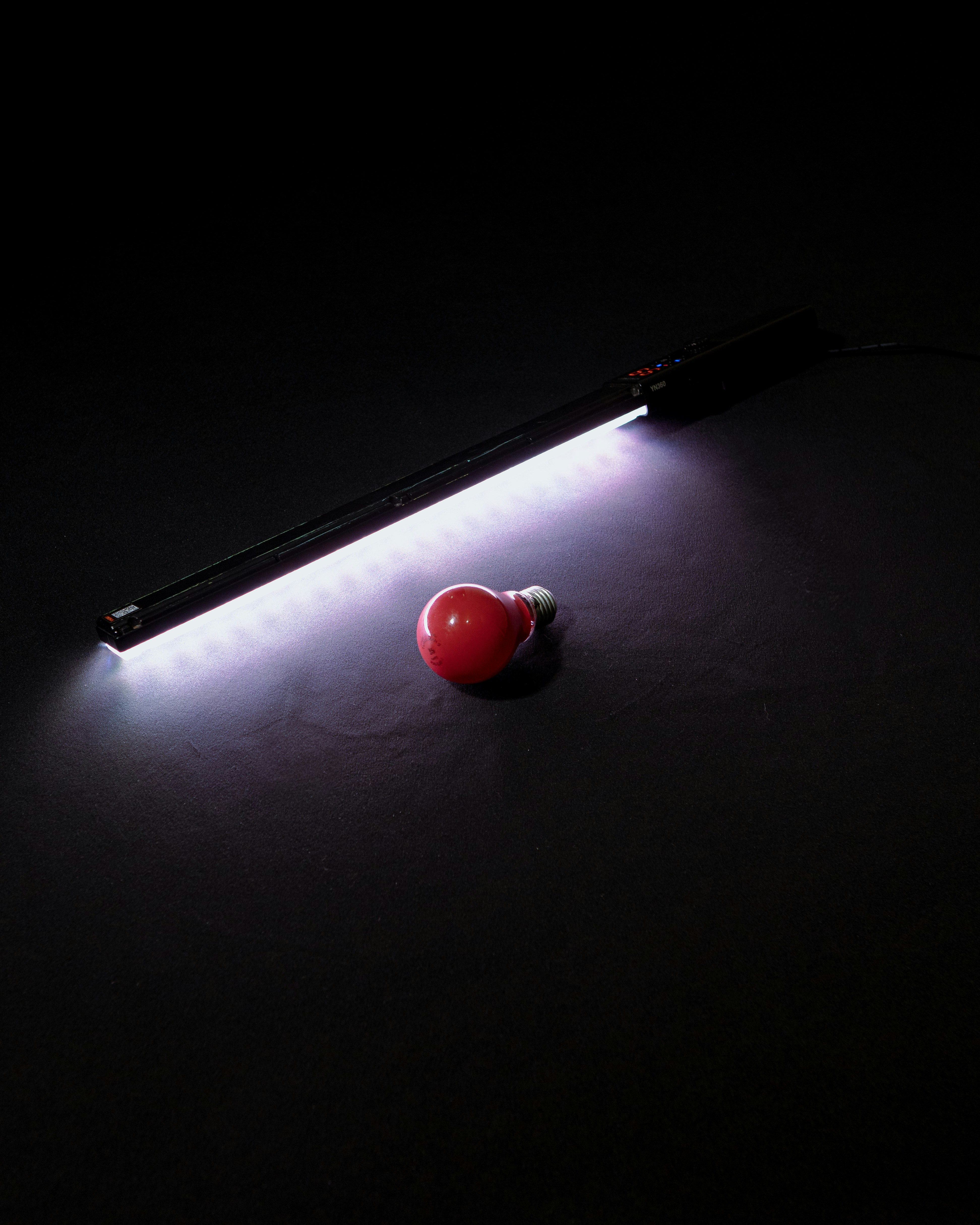
Overview of LED and Traditional Lighting Technologies
Lighting is a fundamental part of modern society, providing illumination for various applications ranging from residential to commercial and industrial uses. The two primary types of lighting technologies discussed here are Light Emitting Diodes (LEDs) and traditional lighting methods, which include incandescent, fluorescent, and halogen bulbs. Each technology has its unique characteristics and is suited for different lighting needs.
LEDs are semiconductor devices that emit light when an electric current passes through them. Unlike traditional methods, which often rely on heating a filament or gas to produce light, LEDs convert electricity directly into light with minimal heat generation. This mechanism not only enhances energy efficiency but also extends the lifespan of the bulbs, making them a popular choice in energy-conscious markets.
On the other hand, traditional lighting encompasses several types of technologies. Incandescent bulbs, for instance, generate light by passing electricity through a filament, which heats up and emits light. Although they are simple and provide a warm light quality, they are notoriously inefficient, converting only about 10% of the energy used into visible light. Fluorescent lights, which work by exciting mercury vapor to produce ultraviolet light, are somewhat more efficient than incandescent types but have their own drawbacks, such as flickering and a limited lifespan. Halogen bulbs operate similarly to incandescent bulbs but contain a halogen gas that allows for a higher temperature operation and improved efficiency.
Each lighting technology finds its niche; LEDs are favored for tasks requiring energy efficiency, such as in residential lighting and streetlights, whereas traditional lighting is often used where light quality or color rendering is paramount, such as in art galleries or vintage retail settings. Understanding the fundamental differences between these lighting technologies lays the groundwork for an in-depth analysis of their efficiency.
Energy Efficiency Comparisons
When comparing LED lighting to traditional forms of illumination such as incandescent or fluorescent bulbs, significant differences in energy consumption become apparent. LED lights are renowned for their energy efficiency; they consume substantially less power while offering comparable, if not superior, brightness. The typical wattage usage for LED bulbs ranges from 6 to 15 watts, specializing in providing ample lumens per watt output—often producing around 80-100 lumens per watt, depending on the specific model.
In contrast, traditional incandescent bulbs may require 40 to 100 watts to achieve a similar level of luminous output, yielding only about 10-17 lumens per watt. This discrepancy indicates that, for the same level of brightness, LED lighting can use up to 75% less energy than incandescent lighting. Furthermore, fluorescent bulbs, while slightly more efficient than incandescents, still fall short of the performance and cost-effectiveness of LEDs, averaging between 35 to 100 watts depending on the application.
Calculating energy costs can further illustrate the advantages of LED lighting. For instance, an LED bulb using 10 watts that operates for 10 hours daily would consume approximately 36.5 kWh per year. In comparison, a 60-watt incandescent bulb under similar conditions would consume about 219 kWh annually, resulting in a notable difference in energy expenditure. As energy costs fluctuate, opting for LED lighting not only minimizes utility bills but also contributes positively to environmental sustainability.
Real-world statistics reveal that transitioning to LED technology can save households hundreds of dollars over the lifespan of a bulb, which can be up to 25,000 hours for LEDs versus a mere 1,000 hours for incandescents. This unparalleled efficiency showcases why LED lighting is increasingly favored in both residential and commercial settings, reflecting a significant advancement in energy utilization.
Lifespan and Maintenance Considerations
When comparing LED lighting to traditional light sources, one of the most significant differentiators is their lifespan. On average, LED bulbs can last anywhere from 15,000 to 50,000 hours, depending on the quality and specific technology used. In contrast, traditional incandescent bulbs typically provide around 1,000 hours of illumination. Fluorescent lights last longer than incandescents, averaging between 7,000 to 15,000 hours, but they still fall short when compared to their LED counterparts.
The stark contrast in lifespan has substantial implications for maintenance costs. The longer lifespan of LED lights means that facilities and homes experience reduced downtime associated with replacing bulbs. Traditional light sources require more frequent replacements, which can lead to disrupted operations, particularly in commercial settings. This frequent replacement often necessitates additional labor costs and potential loss of productivity, further contributing to higher maintenance expenses.
Moreover, fewer replacements equate to lower waste production. As energy efficiency becomes a primary concern, the environmental benefits of using LED lights are noteworthy, given the reduction in used bulbs that are typically disposed of after their operational life. The decreased frequency of replacements also implies less strain on resources involved in production and disposal of traditional bulbs.
In summary, the maintenance considerations associated with the lifespan of LED lighting significantly enhance their appeal in various applications. The combination of longevity, cost-effectiveness, and minimal disruption makes LEDs a practical investment compared to traditional lighting solutions. Consequently, the long-term benefits of utilizing LED technology outweigh the initial costs, making them a superior choice in terms of both efficiency and maintenance.
Environmental Impact and Sustainability
The choice between LED and traditional lighting extends beyond mere illumination; it plays a critical role in shaping our environmental future. Traditional lighting options, such as incandescent or fluorescent bulbs, typically involve the use of materials that are not only less efficient but also contribute significantly to environmental degradation. The production of these older technologies often relies on materials like mercury and glass, which can be harmful to both the environment and human health.
In contrast, LED lights are manufactured using more sustainable materials and present a lower ecological footprint throughout their lifecycle. One of the most significant advantages of LED lighting is its longevity; they can last up to 25 times longer than traditional bulbs. This durability reduces the frequency of replacements, thereby minimizing waste and the consumption of materials needed for production. LEDs also consume significantly less energy, with estimates indicating that they use about 75% less electricity than incandescent lighting. This reduction in energy consumption translates directly into a smaller carbon footprint, highlighting the benefits of choosing LEDs over traditional options.
Furthermore, when it comes to disposal, LEDs are generally more recyclable than conventional lighting products. Many municipalities have established recycling programs specifically for LED lights, while used traditional bulbs often end up in landfills, contributing to hazardous waste. The recyclability of LEDs means that the resources used in their production can be reclaimed and reused, fostering a circular economy. Ultimately, transitioning to LED lighting not only enhances energy efficiency but also significantly mitigates environmental harm, making them a superior choice for eco-conscious consumers and businesses alike.